
Enhancing Your Home's Comfort and Efficiency
External Wall Insulation (EWI) is a proven solution for improving the energy efficiency and comfort of your home. By adding an insulating layer to the exterior walls, EWI helps to minimize heat loss, reduce energy bills, and create a more comfortable indoor environment. Explore the benefits of External Wall Insulation and discover how it can transform your home.
Are you eligible for Energy Company Obligation grant?
As an expert in green energy and sustainable solutions, I firmly advocate for the widespread adoption of renewable energy technologies
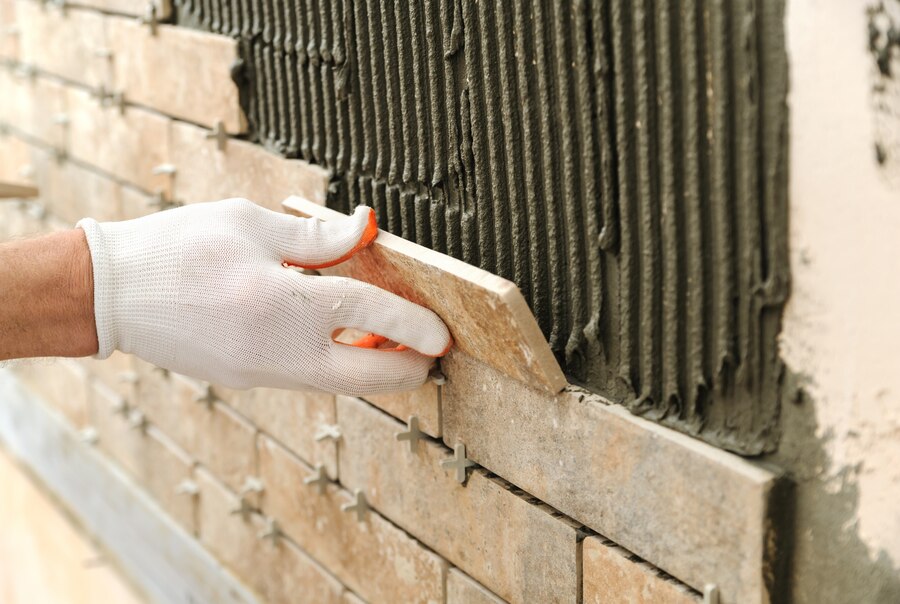
Is External Wall Insulation Right for Your Home?
External Wall Insulation is suitable for most types of properties, including solid wall and cavity wall constructions. However, it’s essential to consult with a qualified installer to assess your home’s suitability and discuss your specific requirements. With the right installation, External Wall Insulation can transform your home, making it more energy-efficient, comfortable, and attractive for years to come.
How does Energy Company Obligation work?
The plan requires obligated suppliers to work with installers like Eco 4 Energy to increase energy efficiency in your home through insulation and electric room heaters to electric storage heaters replacement grant, among other energy saving measures.

Step 1
Find out if you’re eligible to receive the grant below

Step 2
Our Energy Advisor books a no obligation survey followed by installation appointment if you qualify
Step 3
Find out if you’re eligible to receive the grant below
Enhance Your Home's Efficiency and Comfort
Transform your home with External Wall Insulation (EWI), a proven solution for improving energy efficiency and comfort. By adding an insulating layer to your exterior walls, EWI minimizes heat loss, reduces energy bills, and creates a more comfortable indoor environment. Discover the benefits of External Wall Insulation and elevate your home’s efficiency and aesthetic appeal today.

Qualifying Benefits Criteria for External Wall Insulation
- Income Support
- Universal Credit
- Pension Guarantee Credit
- Employment and Support Allowance (ESA)
- Working Tax Credit
- Child Tax Credit
- Pension Credit Saving Credits (NEW)
- Universal Credit
Who Qualifies for External Wall Insulation?
External Wall Insulation (EWI) is suitable for a wide range of properties, but specific eligibility criteria may vary depending on factors such as property type and location. Generally, homeowners and tenants looking to improve the energy efficiency of their homes may qualify for External Wall Insulation. Additionally, those seeking to reduce energy bills, enhance comfort, and contribute to environmental sustainability may find EWI beneficial. To determine eligibility and suitability for EWI, it’s advisable to consult with a qualified installer or energy efficiency expert who can assess your property and discuss available options tailored to your needs.
Elevate Your Home's Energy Efficiency
External Wall Insulation (EWI) is a transformative solution for homeowners looking to enhance the energy efficiency of their properties. By adding a layer of insulation to the exterior walls, EWI effectively reduces heat loss, lowers energy consumption, and creates a more comfortable indoor environment. With EWI, you can enjoy consistent temperatures throughout your home, eliminate cold spots and drafts, and significantly reduce your heating and cooling costs. Experience the benefits of improved energy efficiency and take your home to new levels of comfort and sustainability with External Wall Insulation.

Benefits Beyond Energy Savings
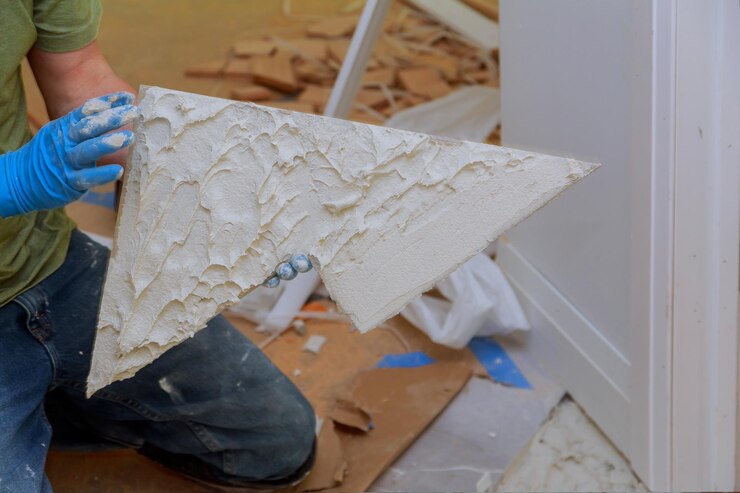
External Wall Insulation offers a range of benefits beyond energy savings. By upgrading your home’s insulation, you can also improve its aesthetic appeal, enhance sound insulation, and increase property value. EWI provides a fresh, modern finish to your exterior walls, covering unsightly brickwork or weathered render. Additionally, the insulation material acts as a sound barrier, reducing external noise pollution and creating a quieter indoor environment. Moreover, the improved energy efficiency and aesthetics of your home can contribute to increased property value, making External Wall Insulation a smart investment for homeowners seeking to enhance both comfort and resale potential.
Which energy suppliers participate in Energy Company Obligation?




Frequently Asked Questions
External Wall Insulation is a method of improving the energy efficiency of buildings by adding an insulating layer to the exterior walls. This layer helps to reduce heat loss, lower energy bills, and improve thermal comfort indoors.
External Wall Insulation involves fixing insulation material to the outside walls of a building, followed by the application of a protective rendering or cladding system. This insulation layer helps to prevent heat loss through the walls, resulting in improved energy efficiency.
External Wall Insulation offers several benefits, including reduced energy bills, improved thermal comfort, enhanced aesthetics, and increased property value. It also helps to reduce carbon emissions and contributes to a more sustainable environment.
Most properties can benefit from External Wall Insulation, including solid wall and cavity wall constructions. However, the suitability of your property may depend on factors such as its condition, construction type, and accessibility. It’s best to consult with a qualified installer to assess suitability.
When installed correctly and maintained properly, External Wall Insulation can last for several decades. The durability of the insulation material and the quality of installation play significant roles in determining its lifespan.
External Wall Insulation can enhance the appearance of your home by providing a fresh, modern finish to the exterior walls. There are various rendering and cladding options available to suit different architectural styles and preferences.
The cost of External Wall Insulation can vary depending on factors such as the size of the property, the type of insulation material used, and the complexity of the installation. However, many homeowners may be eligible for grants or funding to help cover the costs.
To apply for External Wall Insulation, you can contact a qualified installer or energy efficiency provider who can assess your property, discuss your requirements, and provide a quotation for the work. Additionally, you may explore available grants or funding options to help offset the costs.
External Wall Insulation adds an insulating layer to the outside of your home, reducing heat loss through the walls. This helps to maintain a consistent indoor temperature, leading to lower heating and cooling costs and improved overall energy efficiency.
Yes, External Wall Insulation can help to reduce damp issues by preventing moisture from penetrating the exterior walls. The insulation and protective render create a barrier against rain and moisture, helping to keep your home dry and reducing the risk of damp-related problems.
The installation of External Wall Insulation typically involves some disruption, but it is usually kept to a minimum. Installers work primarily on the exterior of your home, so you can continue to live in your home while the work is being carried out. The duration of the project will depend on the size and complexity of the property.
Various insulation materials can be used in External Wall Insulation, including expanded polystyrene (EPS), mineral wool, and phenolic boards. The choice of material depends on factors such as thermal performance, cost, and specific requirements of the property.